
Dental conditions
Tooth abscess
A tooth abscess is a pocket of infection at the root of a tooth or in the gum. It won't clear up on its own and needs treatment to settle, so it's worth being seen as soon as you can.
Also called: periapical abscess, dental abscess, gum boil
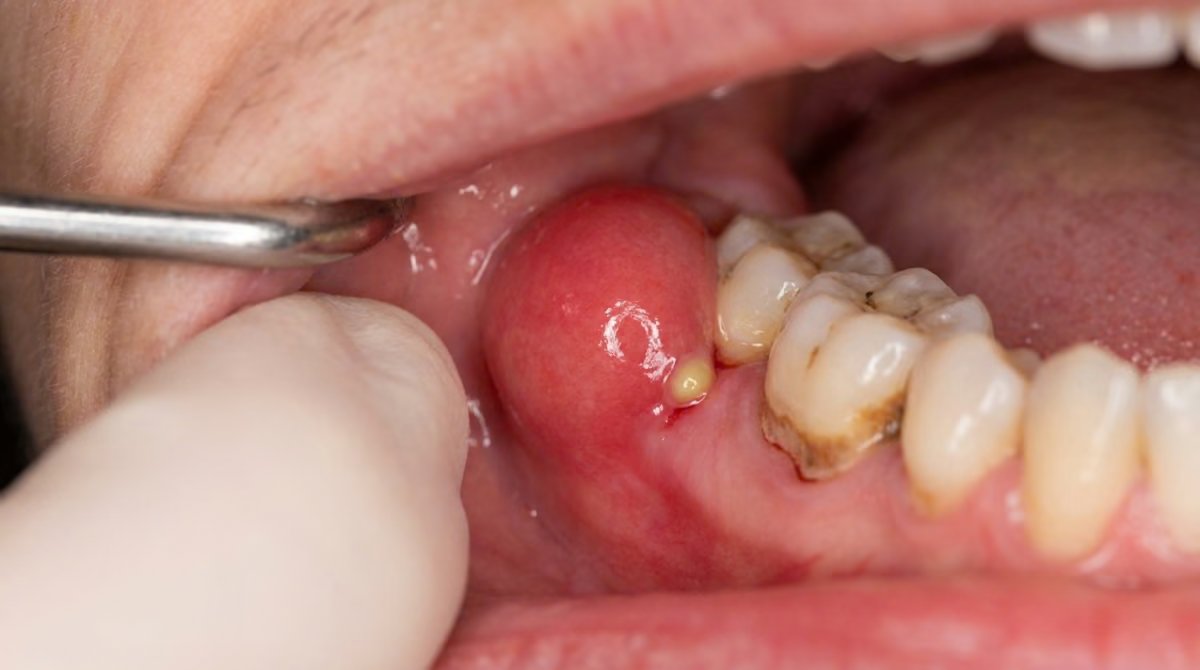
Sound familiar?
- Constant, throbbing pain that may spread to your ear, jaw or neck
- A pimple on your gum that may release a bad-tasting fluid
- Swelling in your gum or face
- A tooth that's tender when you bite or touch it
- A bad taste in your mouth
- Feeling generally unwell or feverish
What's usually behind it
An abscess forms when bacteria get inside a tooth, usually through deep decay, a crack or a leaking old filling. The infection travels down to the tip of the root and builds up there. A gum abscess can also form in a deep pocket around a tooth affected by gum disease. Sometimes the pain stops because the nerve inside the tooth has died, but the infection is still there.
What you can do at home until you're seen
- Take over-the-counter pain relief if needed, following the directions on the pack
- Rinse gently with warm salt water
- Don't squeeze or pop a gum pimple
- Don't put aspirin or anything else directly on your gum
When to see a dentist
As soon as possible, ideally the same day. An abscess needs the source of infection treated. Antibiotics alone may ease symptoms for a while, but they don't remove the cause.
How we help at Nest
We'll find which tooth is affected with an examination and X-ray, then relieve the pressure and clean out the infection. To save the tooth, the next step is usually root canal treatment. If the tooth can't be saved, we'll remove it and talk you through replacement options. Antibiotics are prescribed when they're needed, for example if the infection is spreading. We'll explain your options and costs before anything starts.

The clinical side
The clinical sidePeriapical dental abscess
A periapical abscess forms at the tip of a tooth's root after the pulp (the nerve and blood supply inside the tooth) becomes infected. It shows on an X-ray as a dark area around the root tip. Treatment removes the infected pulp through root canal treatment, or removes the tooth. Left untreated, infection can spread into surrounding bone and soft tissue.
Common questions
Related
Toothache
Also called: dental pain, pulpitis
What your kind of pain can mean, how to ease it, and when to come in.
Learn moreChipped or cracked tooth
Also called: cracked tooth syndrome
A broken edge, or a sharp twinge when you bite that disappears as quickly as it came.
Learn moreBleeding gums
Also called: gingivitis, gum disease, periodontitis
Pink in the sink is often the first sign of gum disease. Here's what helps.
Learn moreTalk it through with us
We'll look at what's going on, explain your options and costs before anything starts.
Reviewed by Dr Viki Karassellos, Dentist, Nest Dental. Last reviewed September 2026. This page is general information, not a diagnosis. Please see a dentist about your own situation.