
Dental conditions
Chipped or cracked tooth
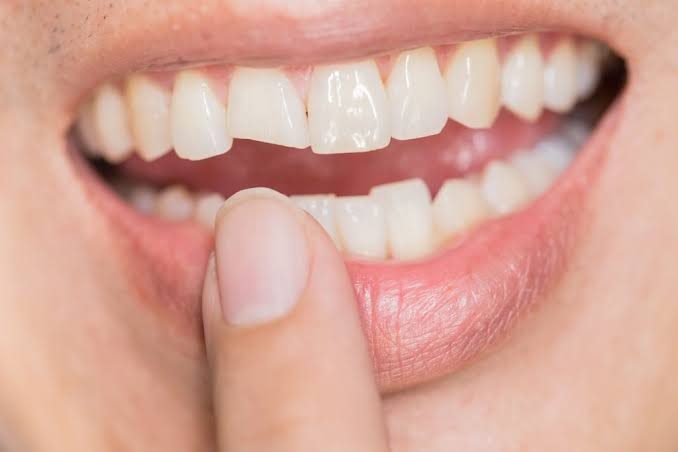
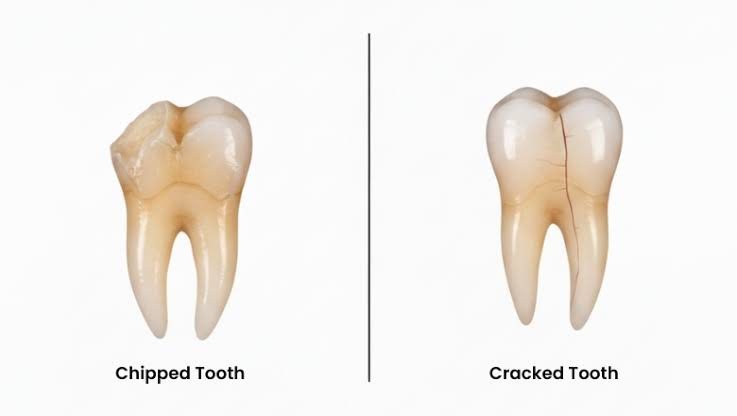
A chip you can feel with your tongue and a crack you can't see are both worth having looked at. Cracks can spread over time, and the earlier they're found, the simpler they usually are to fix.
Also called: cracked tooth syndrome, fractured tooth
Sound familiar?
- A rough or sharp edge your tongue keeps finding
- A piece of tooth came away while you were eating
- A quick, sharp pain when you bite down, then it's gone
- One tooth that's sensitive to cold or sweet things
- Pain as you release your bite rather than when you bite
What's usually behind it
Teeth chip and crack from biting something hard (ice, bones, olive pips, hard lollies), from grinding or clenching at night, and from knocks during sport or a fall. Teeth with large older fillings are more likely to crack because there's less natural tooth holding them together, and teeth that have had root canal treatment can be more brittle.
What you can do at home
- If a piece has broken off, keep it in milk or a clean container and bring it with you
- Rinse with warm water and avoid chewing on that side
- Cover a sharp edge with sugar-free gum or dental wax from the pharmacy
- Take over-the-counter pain relief if needed, following the directions on the pack
When to see a dentist
- Any chip or crack, even if it doesn't hurt, because cracks can spread
- A sharp pain when biting that keeps happening
- Straight away if the tooth is broken with pain or bleeding, or has been knocked loose. See our emergency care page.
How we help at Nest
Finding a crack is part detective work. We'll look closely under magnification, test how the tooth responds when you bite, and take X-rays, although fine hairline cracks don't always show on an X-ray. Small chips can often be smoothed or repaired with a tooth-coloured filling in one visit. Larger breaks or cracked teeth may need a crown or onlay to hold the tooth together. If a crack reaches the nerve, root canal treatment may be needed. If a tooth has split below the gum, we'll talk you through replacement options. We'll explain the options and costs before anything starts.
The clinical side
The clinical sideCracked tooth syndrome
Cracked tooth syndrome describes a tooth with a crack too fine to see that causes sharp pain when biting, especially on something firm, and sometimes sensitivity to cold. Because the pain comes and goes, and it can be hard to tell which tooth it's coming from, it's often missed. Diagnosis uses bite tests, magnification and sometimes special lighting or dyes. Treatment aims to hold the tooth together so the crack can't spread, usually with a crown.
Common questions
Related
Toothache
Also called: dental pain, pulpitis
What your kind of pain can mean, how to ease it, and when to come in.
Learn moreTeeth grinding
Also called: bruxism, clenching
A sore jaw in the morning, headaches or worn teeth, and how to protect them.
Learn moreSensitive teeth
Also called: dentine hypersensitivity
A twinge from cold drinks or sweet food, and what's usually causing it.
Learn moreTalk it through with us
We'll look at what's going on, explain your options and costs before anything starts.
Reviewed by Dr Viki Karassellos, Dentist, Nest Dental. Last reviewed September 2026. This page is general information, not a diagnosis. Please see a dentist about your own situation.