
Dental conditions
Teeth grinding
Most people who grind their teeth do it in their sleep and don't know. The signs usually show up in the morning, or in the wear a dentist can see on your teeth.
Also called: bruxism, clenching, occlusal trauma
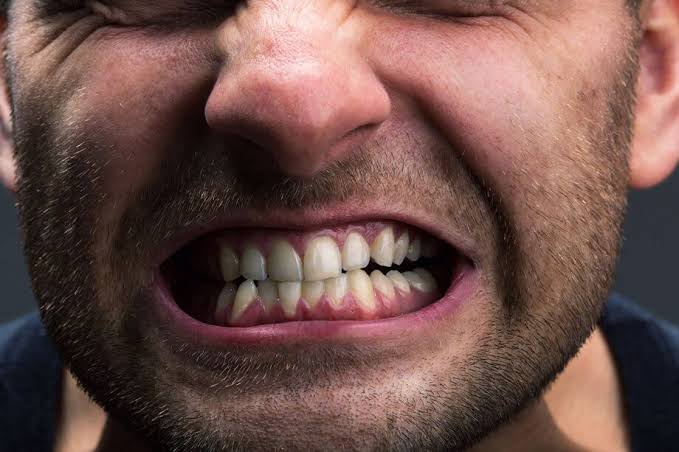
Sound familiar?
- A sore or tight jaw when you wake up
- Headaches around your temples
- Teeth that look flatter, shorter or chipped
- Sensitive teeth
- A partner who hears you grinding at night
- Ridges along the side of your tongue or cheek
What's usually behind it
Stress and anxiety are the most common triggers. Sleep patterns play a part, and grinding is sometimes linked with snoring and sleep apnoea. Caffeine, alcohol, some medications and the way your bite fits together can all contribute.
What you can do at home
- Notice clenching during the day and practise "lips together, teeth apart"
- Cut back on caffeine and alcohol, especially in the evening
- Build in ways to wind down before bed
- Ask your partner whether they hear you grinding or snoring
When to see a dentist
- Regular jaw pain or morning headaches
- Visible wear, chips or cracks
- Teeth that have become sensitive
- Snoring, or pauses in breathing at night
How we help at Nest
We'll check your teeth for wear, test your jaw muscles and look at how your bite fits together. A custom night guard is the most reliable way to protect your teeth, because it's made to fit your bite exactly and spreads the force of grinding. Where teeth are already worn or cracked, we'll talk through repair options. If snoring or sleep apnoea may be involved, we can arrange a sleep assessment.
The clinical side
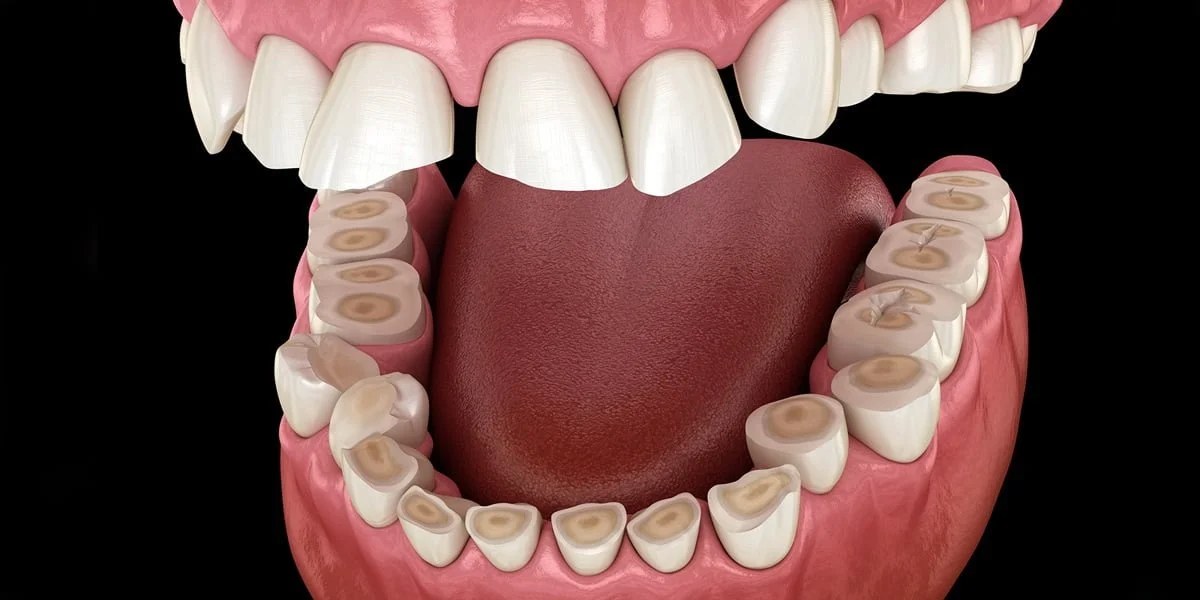
The clinical sideSevere bruxism and occlusal trauma
Severe bruxism can cause significant wear of the biting surfaces, fractured teeth and restorations, and damage to the supporting structures of the teeth. This is called occlusal trauma. Treatment focuses on protecting the teeth with a well-fitted occlusal splint (night guard), restoring worn or damaged teeth, and addressing contributing factors such as sleep-disordered breathing where present.
Common questions
Related
Chipped or cracked tooth
Also called: cracked tooth syndrome
A broken edge, or a sharp twinge when you bite that disappears as quickly as it came.
Learn moreSensitive teeth
Also called: dentine hypersensitivity
A twinge from cold drinks or sweet food, and what's usually causing it.
Learn moreToothache
Also called: dental pain, pulpitis
What your kind of pain can mean, how to ease it, and when to come in.
Learn moreTalk it through with us
We'll look at what's going on, explain your options and costs before anything starts.
Reviewed by Dr Viki Karassellos, Dentist, Nest Dental. Last reviewed September 2026. This page is general information, not a diagnosis. Please see a dentist about your own situation.