
Dental conditions
Sensitive teeth
That sharp twinge from an ice-cold drink is common, and often easy to manage. Sometimes, though, it's an early sign of something else, so it's worth knowing the difference.
Also called: dentine hypersensitivity
Sound familiar?
- A sharp twinge with cold drinks, ice cream or cold air
- Discomfort with sweet or acidic food
- Pain when brushing certain teeth
- Sensitivity after whitening or a new filling
What's usually behind it
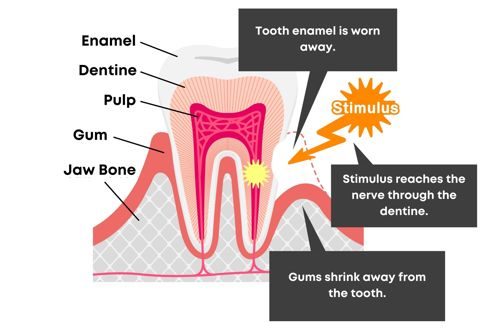
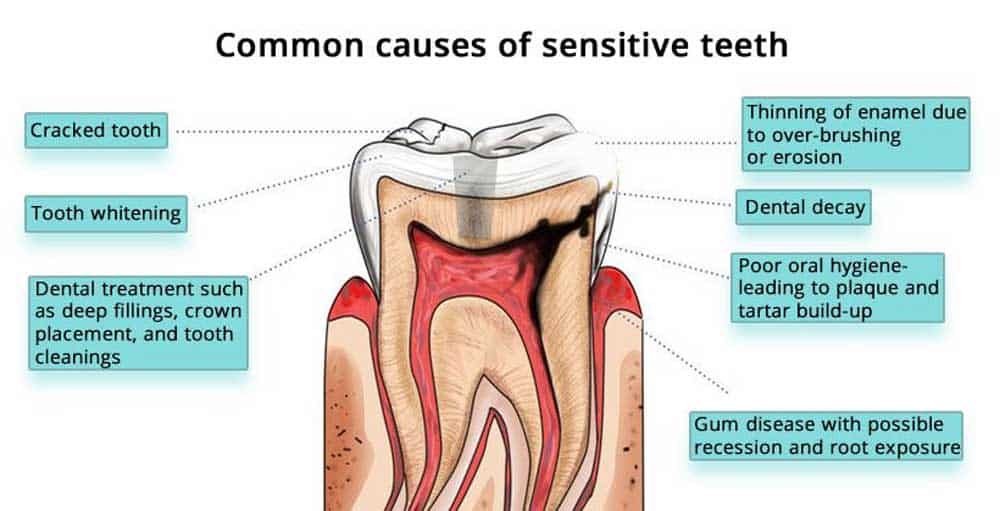
Under your enamel is a softer layer called dentine, which has tiny channels leading to the nerve. When enamel wears away or gums pull back, those channels are exposed and cold or sweet things reach the nerve. Common causes are brushing too hard, acidic food and drinks, grinding, gum recession, decay and cracked teeth. Sensitivity after whitening or a new filling is usually temporary.
What you can do at home
- Use a toothpaste for sensitive teeth twice a day for a few weeks
- Spit, don't rinse, after brushing so the toothpaste keeps working
- Use a soft brush with gentle pressure
- Wait about 30 minutes after acidic food or drinks before brushing
- Use a straw for acidic or very cold drinks
When to see a dentist
- Sensitivity in one particular tooth
- Pain that lingers after the cold or sweet thing is gone
- No improvement after a few weeks of sensitive toothpaste
- Pain when you bite
How we help at Nest
We'll find out why your teeth are sensitive before treating them. Depending on the cause, we can apply desensitising treatments or fluoride varnish, cover exposed root surfaces with a tooth-coloured material, repair decay or worn areas, or make a night guard if grinding is the cause. If your gums have receded, we'll look at why and help stop it progressing.
Common questions
Related
Toothache
Also called: dental pain, pulpitis
What your kind of pain can mean, how to ease it, and when to come in.
Learn moreBleeding gums
Also called: gingivitis, gum disease, periodontitis
Pink in the sink is often the first sign of gum disease. Here's what helps.
Learn moreTeeth grinding
Also called: bruxism, clenching
A sore jaw in the morning, headaches or worn teeth, and how to protect them.
Learn moreTalk it through with us
We'll look at what's going on, explain your options and costs before anything starts.
Reviewed by Dr Viki Karassellos, Dentist, Nest Dental. Last reviewed September 2026. This page is general information, not a diagnosis. Please see a dentist about your own situation.