
Dental conditions
Mouth ulcer that won't heal
Mouth ulcers are common, and most heal on their own within a week or two. This page covers what causes them, what helps, and the few signs that mean a sore should be looked at.
Also called: aphthous ulcer, oral lesion, oral cancer signs
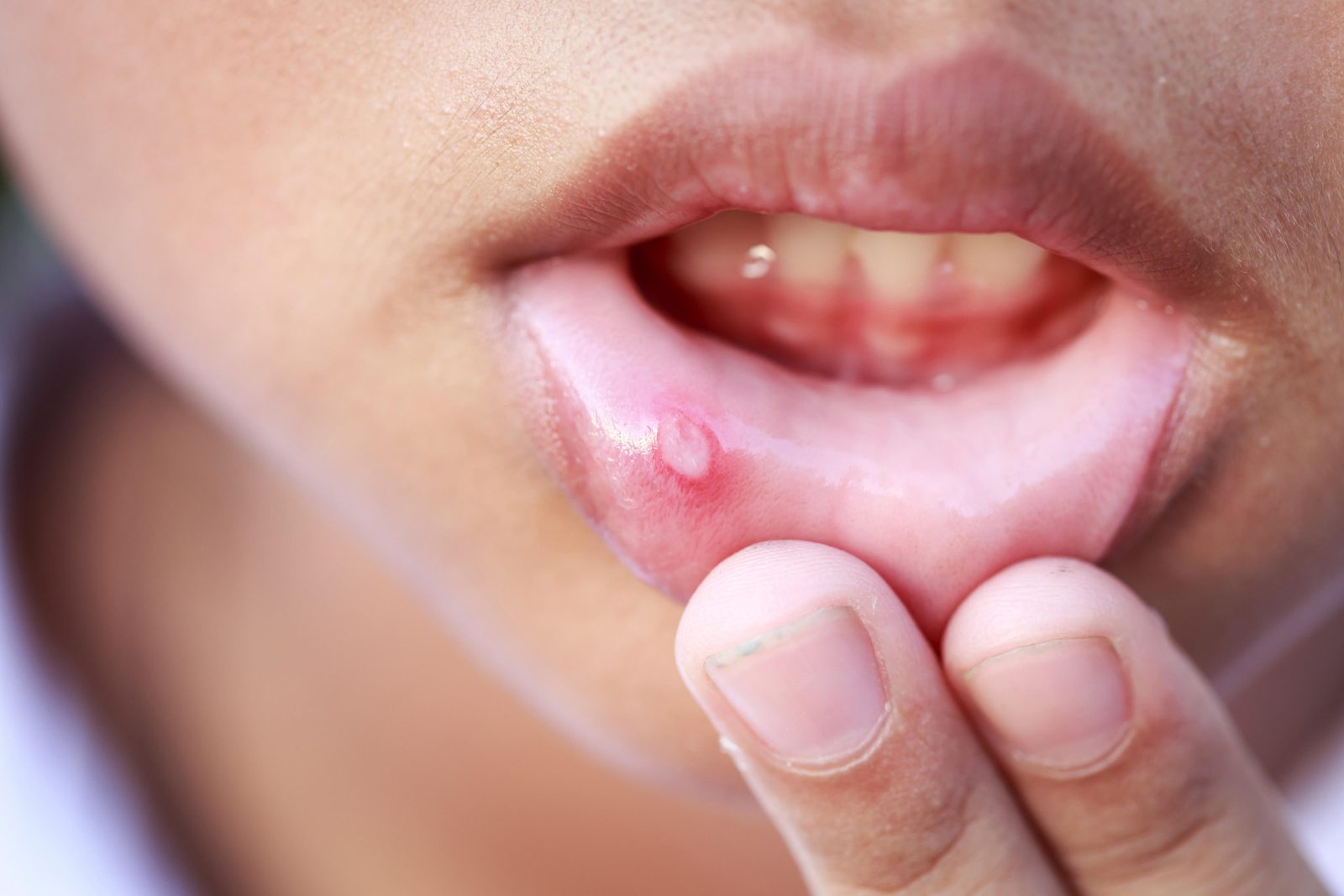
Sound familiar?
- A painful round or oval sore, white or yellow in the middle with a red edge
- Stinging when you eat spicy, salty or acidic food
- A sore in the same spot as a sharp tooth, brace or denture
- Ulcers that keep coming back
- A sore, lump or patch that just isn't going away
What's usually behind it
Most ulcers start with a small injury: biting your cheek, a toothbrush slip, or rubbing from a sharp edge on a chipped tooth, filling, brace or denture. Stress, being run down and some foods can trigger them too, and some people find certain toothpastes set them off. Ulcers that keep coming back can sometimes be linked to low iron, vitamin B12 or folate, or to other health conditions, which is worth raising with your GP.
What you can do at home
- Rinse with warm salt water a few times a day
- Avoid spicy, salty and acidic food until it settles
- Try an ulcer gel or rinse from your pharmacy
- Use a soft toothbrush and brush gently around the area
- If ulcers keep coming back, try a toothpaste without sodium lauryl sulfate (SLS)
When to see a dentist
- An ulcer that hasn't healed after three weeks
- A lump, or a white or red patch, even if it doesn't hurt
- Numbness, or a sore that bleeds easily
- Ulcers that keep coming back
- A sore caused by a sharp tooth, filling or appliance
Most of these turn out to be harmless. They're still worth checking, because anything that does need attention is simpler to manage when it's found early.
How we help at Nest
We'll look at the sore, ask how long it's been there, and look for anything rubbing or catching. Often the fix is simple: smoothing a sharp edge, adjusting a denture or replacing a broken filling. Checking your cheeks, tongue, gums and the floor of your mouth is part of every check-up we do, so changes are noticed early. If anything needs a closer look, we'll explain what we've seen and arrange a referral for further assessment.
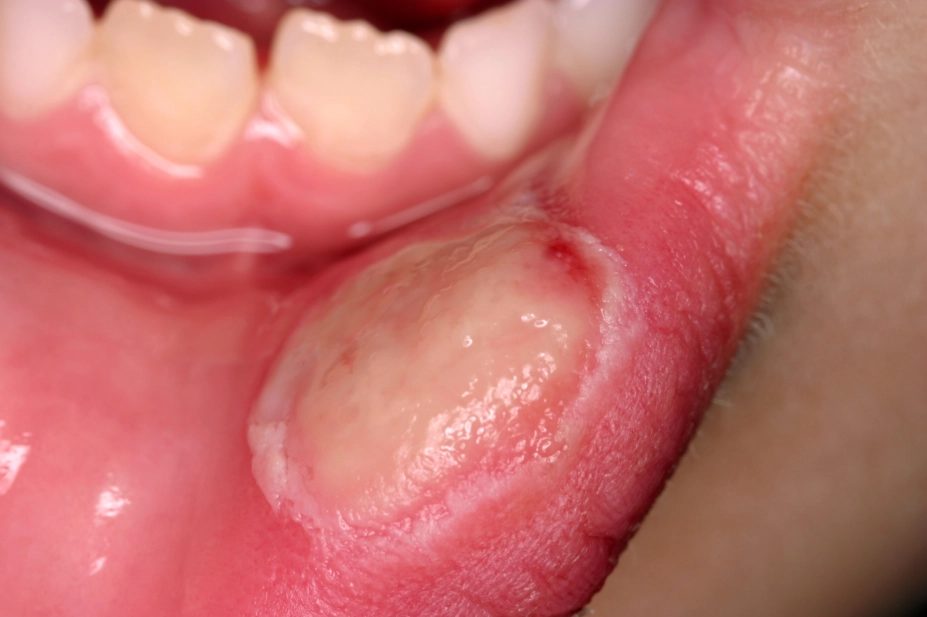
The clinical side
The clinical sideOral cancer signs
Oral cancer is uncommon, but it's one of the reasons dentists look at more than your teeth. Signs to know: a sore or ulcer that doesn't heal within three weeks, a white or red patch, a lump or thickening in the cheek or on the tongue, numbness, a persistent sore throat or difficulty swallowing, and a change in how your teeth or dentures fit together. Risk is higher for people who smoke, drink alcohol heavily, or have had HPV. Most mouth changes are not cancer, which is exactly why a quick check brings peace of mind.
Common questions
Related
Toothache
Also called: dental pain, pulpitis
What your kind of pain can mean, how to ease it, and when to come in.
Learn moreChipped or cracked tooth
Also called: cracked tooth syndrome
A broken edge, or a sharp twinge when you bite that disappears as quickly as it came.
Learn moreBleeding gums
Also called: gingivitis, gum disease, periodontitis
Pink in the sink is often the first sign of gum disease. Here's what helps.
Learn moreTalk it through with us
We'll look at what's going on, explain your options and costs before anything starts.
Reviewed by Dr Viki Karassellos, Dentist, Nest Dental. Last reviewed September 2026. This page is general information, not a diagnosis. Please see a dentist about your own situation.