
Dental conditions
Missing teeth
Whether you've lost one tooth or several, there's more than one way to replace them. This page explains why a gap matters and compares your options, so you can talk them through with us.
Also called: tooth loss, gap in teeth
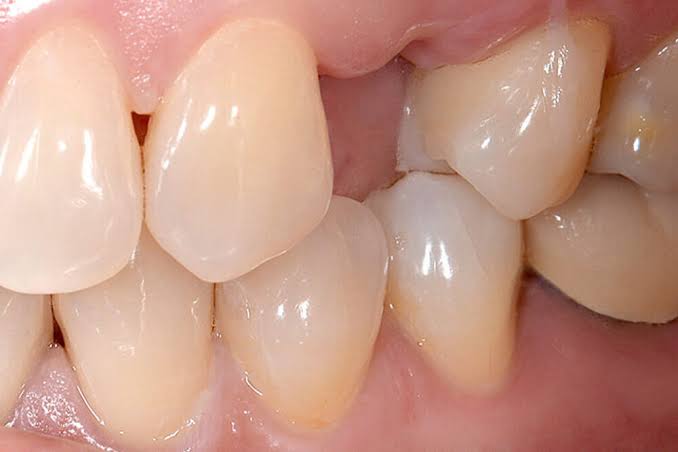
Sound familiar?
- A gap from a tooth that was removed or lost
- Avoiding chewing on one side
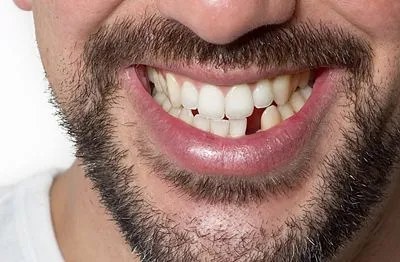
- Holding back your smile because of a gap
- A denture or "dental clip" that's loose or uncomfortable
- Teeth moving into a gap
Why a gap matters
When a tooth is missing, the teeth beside it can tip into the space and the tooth above or below can drift towards it. This changes your bite and can make those teeth harder to clean. The bone where the tooth was also shrinks over time, and when several teeth are missing, it can change the shape of your face and make chewing harder.
Your options
| Option | How it works | Good to know |
|---|---|---|
| Dental implant | A titanium post placed in the jawbone with a crown on top. Fixed in place. | Looks and feels closest to a natural tooth and helps keep the bone. Needs enough healthy bone and takes a few months from start to finish. |
| Bridge | A false tooth held by crowns on the teeth either side. Fixed in place. | Quicker than an implant. The neighbouring teeth need to be shaped for crowns. |
| Partial denture (dental clip) | A removable plate with one or more false teeth that clips onto your natural teeth. | Lower cost and quick to make. Can feel less stable than fixed options. |
| Full denture | A removable set replacing all the teeth in one jaw. | Replaces a full arch at a lower cost. Can move when eating or talking. |
| Implant-supported options | Dentures or a fixed bridge held in place by implants. | Much more stable than a standard denture. Needs assessment for suitability. |
Dental implant
How it worksA titanium post placed in the jawbone with a crown on top. Fixed in place.
Good to knowLooks and feels closest to a natural tooth and helps keep the bone. Needs enough healthy bone and takes a few months from start to finish.
Bridge
How it worksA false tooth held by crowns on the teeth either side. Fixed in place.
Good to knowQuicker than an implant. The neighbouring teeth need to be shaped for crowns.
Partial denture (dental clip)
How it worksA removable plate with one or more false teeth that clips onto your natural teeth.
Good to knowLower cost and quick to make. Can feel less stable than fixed options.
Full denture
How it worksA removable set replacing all the teeth in one jaw.
Good to knowReplaces a full arch at a lower cost. Can move when eating or talking.
Implant-supported options
How it worksDentures or a fixed bridge held in place by implants.
Good to knowMuch more stable than a standard denture. Needs assessment for suitability.
When to see a dentist
- You've recently lost a tooth or had one removed
- Your denture is loose, sore or broken
- You've noticed teeth moving into a gap
- You'd like to know your replacement options
How we help at Nest
We start with an assessment, including a 3D scan and X-rays, to check your gums, bone and bite. Then we'll talk through the options that suit your mouth, how long each takes, and the costs, in writing, before you decide. Dr Diana Arcila leads implant care at Nest. See dental implants and crowns and bridges for more detail.
Common questions
Related
Crooked teeth
Also called: crowding, malocclusion
Crowded, gappy or shifting teeth, and why straightening is about more than looks.
Learn moreBleeding gums
Also called: gingivitis, gum disease, periodontitis
Pink in the sink is often the first sign of gum disease. Here's what helps.
Learn moreChipped or cracked tooth
Also called: cracked tooth syndrome
A broken edge, or a sharp twinge when you bite that disappears as quickly as it came.
Learn moreTalk it through with us
We'll look at what's going on, explain your options and costs before anything starts.
Reviewed by Dr Viki Karassellos, Dentist, Nest Dental. Last reviewed September 2026. This page is general information, not a diagnosis. Please see a dentist about your own situation.