
Dental conditions
Crooked teeth
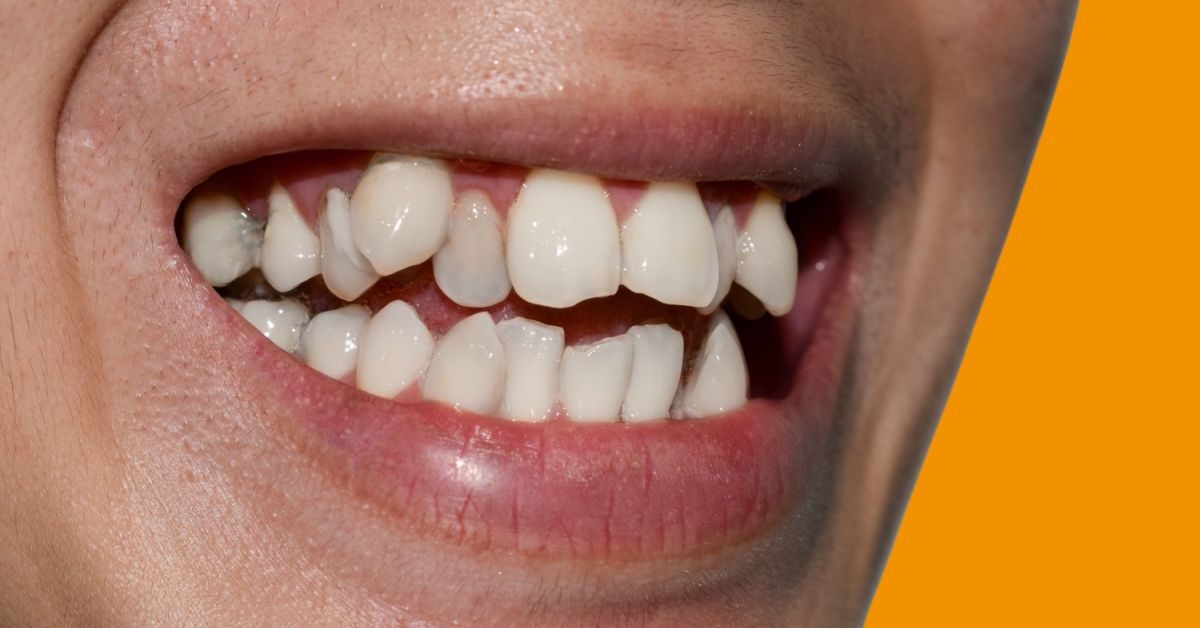
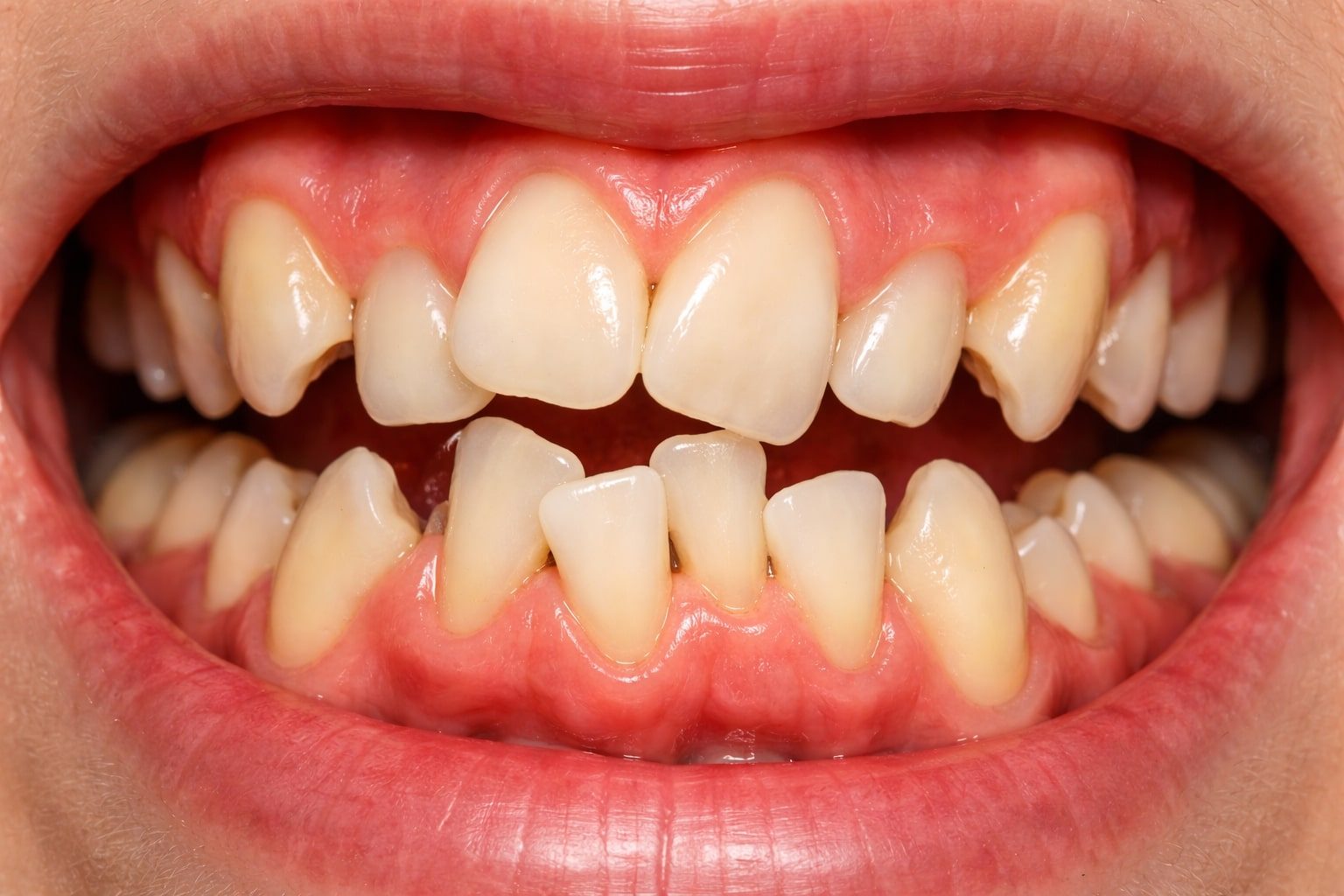
Crooked teeth are common, and very few people have perfectly straight teeth. For some, it's about how their smile looks. For others, it's teeth that are hard to clean or a bite that doesn't feel right. Either way, it's worth knowing your options.
Also called: crowding, malocclusion, misaligned teeth
Sound familiar?
- Crowded or overlapping teeth
- Gaps between your teeth
- Teeth that have moved since you had braces as a teenager
- Food getting stuck in the same spots
- A bite that feels uneven
- Holding back your smile in photos
What's usually behind it
Jaw size, the size of your teeth and genetics all play a part. Habits in childhood like thumb-sucking can have an effect, and teeth naturally drift a little over a lifetime. Not wearing a retainer after braces is one of the most common reasons adult teeth move. Missing teeth can let neighbouring teeth tip into the gap, and gum disease can loosen teeth so they shift.
Why it matters beyond looks
Crowded and overlapping teeth are harder to clean, which can raise the risk of decay and gum disease. An uneven bite can also wear some teeth faster than others. Not every crooked tooth needs treatment, and we'll be honest about whether yours does.
What you can do at home
- If you have a retainer, keep wearing it as directed
- Clean carefully between crowded teeth with floss or interdental brushes
- Avoid DIY or mail-order straightening without a dentist examining your teeth and gums first
When to see a dentist
- Your teeth have started moving
- Crowding is making it hard to clean
- Your bite feels uneven, or you notice uneven wear
- You'd like to know your options for straightening
How we help at Nest
Straightening starts with an assessment: a 3D scan of your teeth, a check of your gums and bite, and a conversation about what you'd like to change. Dr Sandra Pedram BDS (Syd Uni) leads clear aligner treatment at Nest. Clear aligners are removable, near-invisible trays that move teeth gradually. For some bites, fixed braces are the better option, and we'll explain why. You'll get a treatment plan with the expected timeframe and costs in writing before you decide.
Common questions
Related
Missing teeth
Also called: tooth loss
Implants, bridges or dentures, and what happens if you leave a gap.
Learn moreYellow teeth
Also called: tooth discolouration, stained teeth
Why teeth change colour, what actually works, and what to check before whitening.
Learn moreTeeth grinding
Also called: bruxism, clenching
A sore jaw in the morning, headaches or worn teeth, and how to protect them.
Learn moreTalk it through with us
We'll look at what's going on, explain your options and costs before anything starts.
Reviewed by Dr Viki Karassellos, Dentist, Nest Dental. Last reviewed September 2026. This page is general information, not a diagnosis. Please see a dentist about your own situation.